Radiation Security
Is radon really bad for you?
Breathing radon over time increases your risk of lung cancer. Radon is the second leading cause of lung cancer in the United States. Nationally, the EPA estimates that about 21,000 people die each year from radon-related lung cancer. Only smoking causes more lung cancer deaths.
The USA EPA has established the radon level of 4.0 picocuries per liter to be the action degree for radon gas in homes. Definition, act to minimize radon degrees that are more than four picocuries per liter. Keep in mind that radon danger follows a direct contour of the time vs the amount subjected to it plus the added aspect that each person might be basically vulnerable to radon related cancer cells.
The EPA establishes the degree of risky radon gas exposure at or above 4 pCi/L. If your residence has actually radon gas levels surpassing this action degree, it's recommended that you undergo reduction initiatives to minimize direct exposure. If screening discloses a much higher degree, you'll most definitely need reduction as well as may need a lot more considerable improvements to seal the source of the gas.
Is radon mitigation really necessary?
When radon gas enters the body, it exposes the lungs to small amounts of radiation. In small quantities, experts say this is harmless. However, in persistent exposures or larger quantities, radon can damage the cells of the lining of the lungs, increasing a person's chance of developing lung cancer.
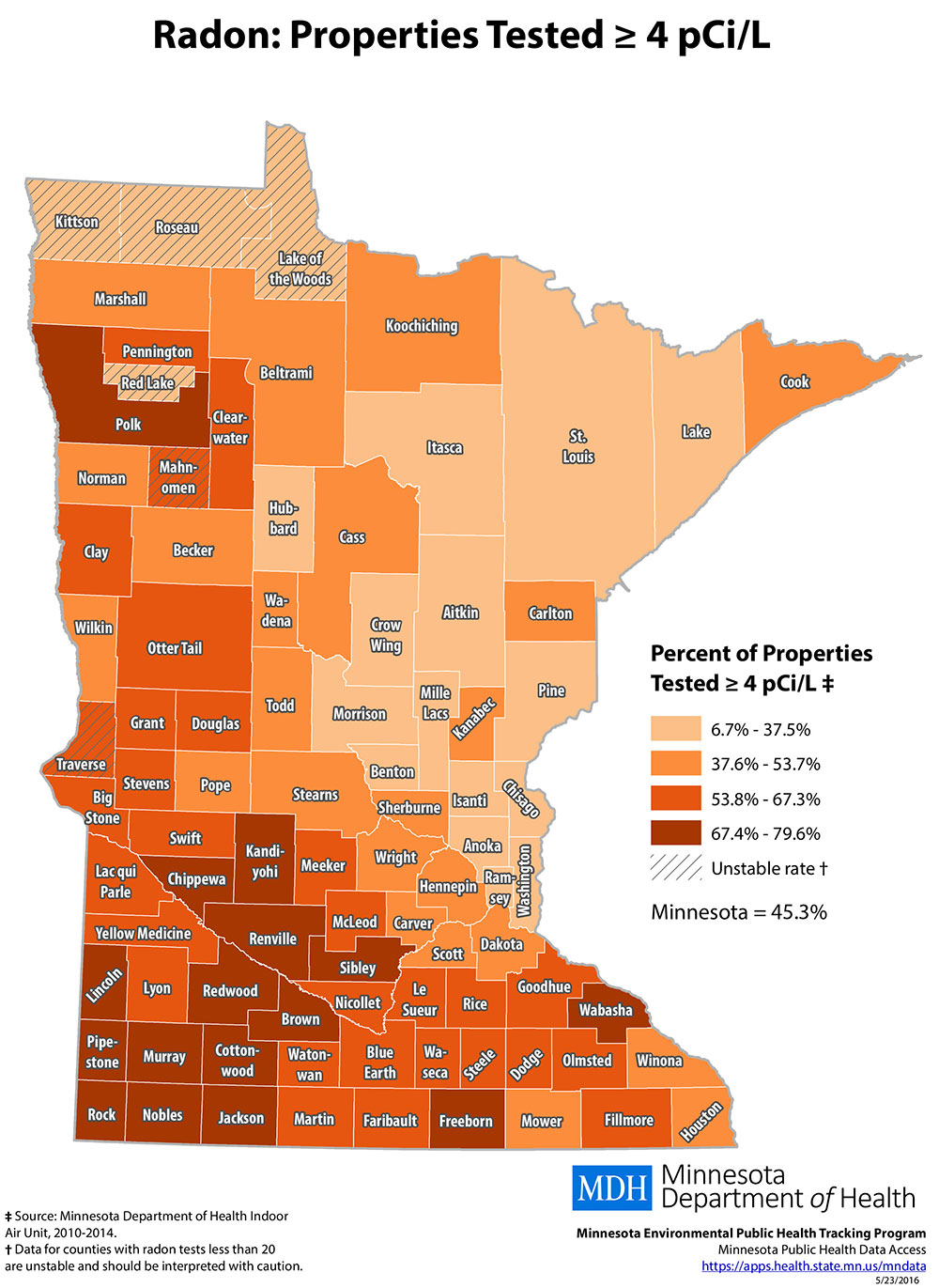
This is the degree of around 90 percent of residences in the United States. The EPA recommends that house owners take action when http://www.4mark.net/story/2329475/visit-homepage direct exposure degrees reach over 4 picoCuries per litre, because of the belief that enhancing radon direct exposure is associated to a progressively greater risk for Click here for more cancer. Around one in 15 homes in the United States has raised radon degrees. The odorless gas can get in residences with cracks in foundations, walls as well as floorings.
- Lung cancer risk climbs 16% per 2.7 pCi/L increase in radon exposure.
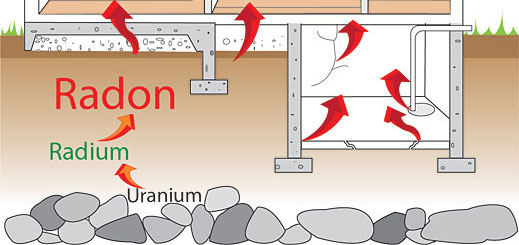
- Radon gas is a naturally-occurring result of the radioactive decay of Uranium in the dirt.
- Depending on your geographic area, the radon levels of the air you take a breath beyond your residence might be as high as 0.75 pCi/L.
- The US EPA has actually placed it clearly, specifying, "Any kind of radon direct exposure has some threat of triggering lung cancer.
Unless you have a high price of air circulation moving via your house at all times, radon can develop inside the house and also get to harmful degrees. With the lowest survival rate among a few of one of the most usual cancers cells, lung cancer cells is one of one of the most feared illness in the nation.
Health
In a house with forced air heating and cooling, radon gas can easily be distributed throughout the whole house. When radon gas is discharged through a radon reduction system over the roof, the radon focus diminishes drastically with distance from the point of discharge. As a matter of fact, the radon gas concentration approaches background levels at 3-4 feet from the discharge point.
How long does it take for radon to cause cancer?
Fact: You will reduce your risk of lung cancer when you reduce radon levels, even if you've lived with an elevated radon level for a long time. Keep in mind that radon levels below 4 pCi/L still pose some risk and that radon levels can be reduced to 2 pCi/L or below in most homes.